Higher Education
College and university strategy, faculty work, enrollment, student success, and campus operations.

DOJ says Ohio State med school used race in admissions
A new Justice Department findings letter, which Ohio State is contesting, points to separate pathways, race-visible screening and interview advantages as potential Title VI problems during an active admissions cycle.
UNC-Chapel Hill settles federal civil-rights probes through 2028
The university-wide deal closes 18 investigations and a DOJ review while requiring new antisemitism procedures, race-blind admissions and scholarship practices, and quarterly compliance reports.

McGraw Hill adds AI study hub and oral assessment tools to Connect
The college courseware update brings publisher-grounded study aids to select Connect courses and adds Breakout-powered discussion and oral assignments with AI-enabled feedback.
All Higher Education stories

Arizona court approves GCU law school under new non-ABA pathway
The Arizona Supreme Court said future Grand Canyon University law graduates could seek bar admission in the state without first graduating from an ABA-accredited school, while the program remains under court oversight and still needs other approvals before enrolling students.
New Workforce Pell FAQ gives colleges a clearer compliance map
The Education Department’s Oct. 15 guidance does not rewrite Workforce Pell, but it does spell out how approvals, student eligibility and ongoing program requirements work in the first rollout year.

What IronCircle’s collapse reveals about university boot camp oversight
Months after the cybersecurity boot camp provider shut down, SDSU and UNLV support pages show how difficult it is to transfer students, replace coursework, and sort out refunds when a university-branded program depends on an outside vendor’s platform.
Three indicted in alleged $20 million Eastern Gateway aid scheme
Ohio officials say the case involved Pell Grants, state subsidies, and outsourced college partnerships, sharpening questions about oversight after the community college’s closure.
DHS proposes $70,000 OPT fee for colleges, $30,000 for extensions
Under the proposal, SEVP-certified colleges would have to pay before a designated school official can enter an OPT recommendation in SEVIS. That would shift a student work-authorization step into institutional budgets and force campuses to model recruitment, advising and pricing impacts while public comments are still open.

University of Arizona proposes tuition and fee freeze for fall 2027
The university says undergraduate and graduate tuition and mandatory fees would stay flat next fall if regents approve the plan, but housing and other attendance costs will still shape what families actually pay.

NASA ORBIT opens with up to $500,000 for eligible college teams
Registration runs through Nov. 16, but only teams led by HBCUs, TCUs, and other colleges on the federal eligibility list can enter. Students from other campuses may join if at least 60% of the team is from the lead institution.

Texas expands Workforce Pell to 5 colleges, adds $10.4M community college grant
Nine short-term programs in fields including machining, HVAC, welding and health care are now approved, while an Alamo-led consortium will use federal grant funding to help colleges build more Workforce Pell-ready offerings.
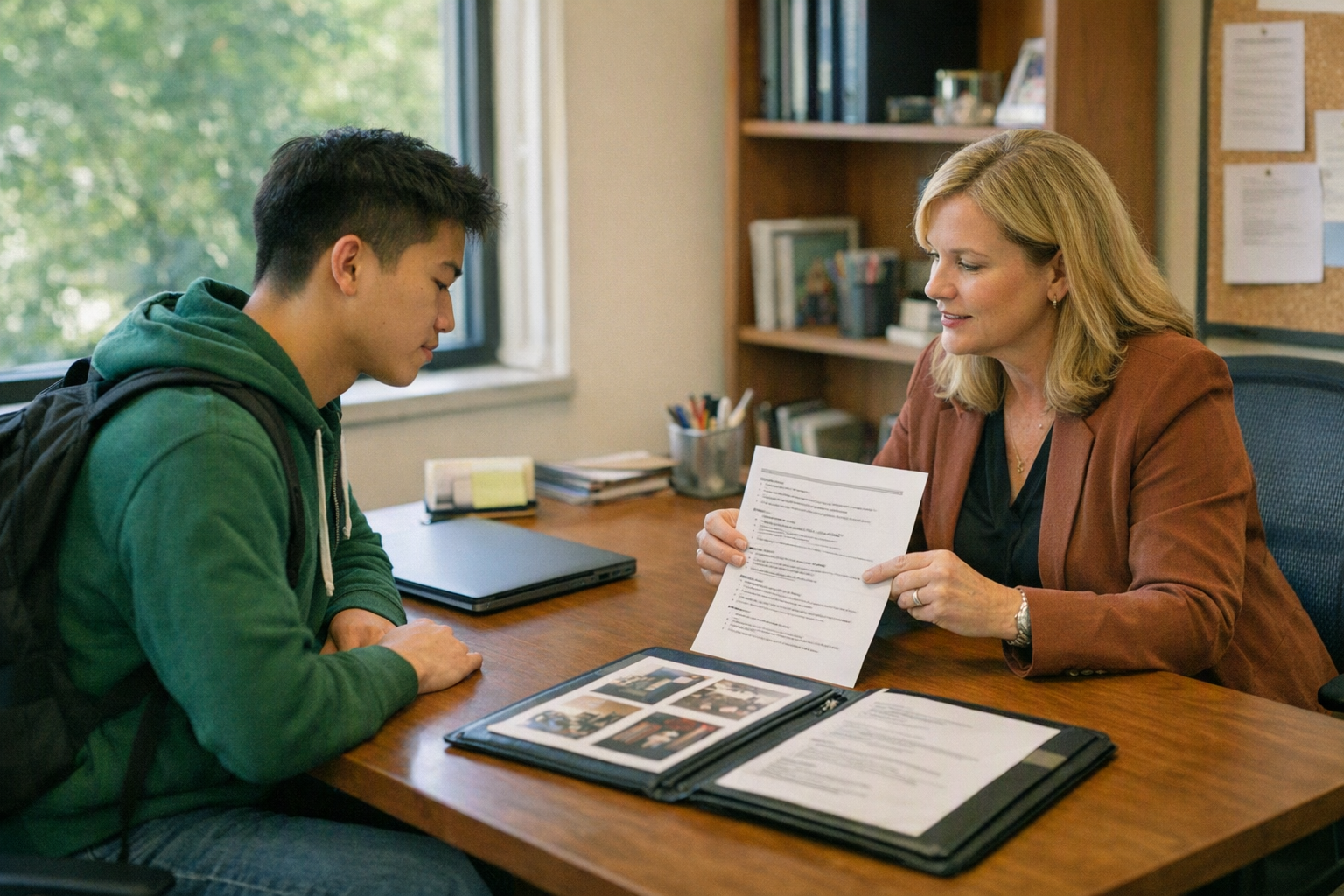
Study finds employers judge student AI use by how it is framed
A Kent State working paper found hiring professionals were more receptive when generative AI was described as assisting student work, and more negative when it was framed as replacing effort. The finding gives colleges and career centers an early signal that AI policy, disclosure, and assessment design may shape how credible graduates look in hiring.
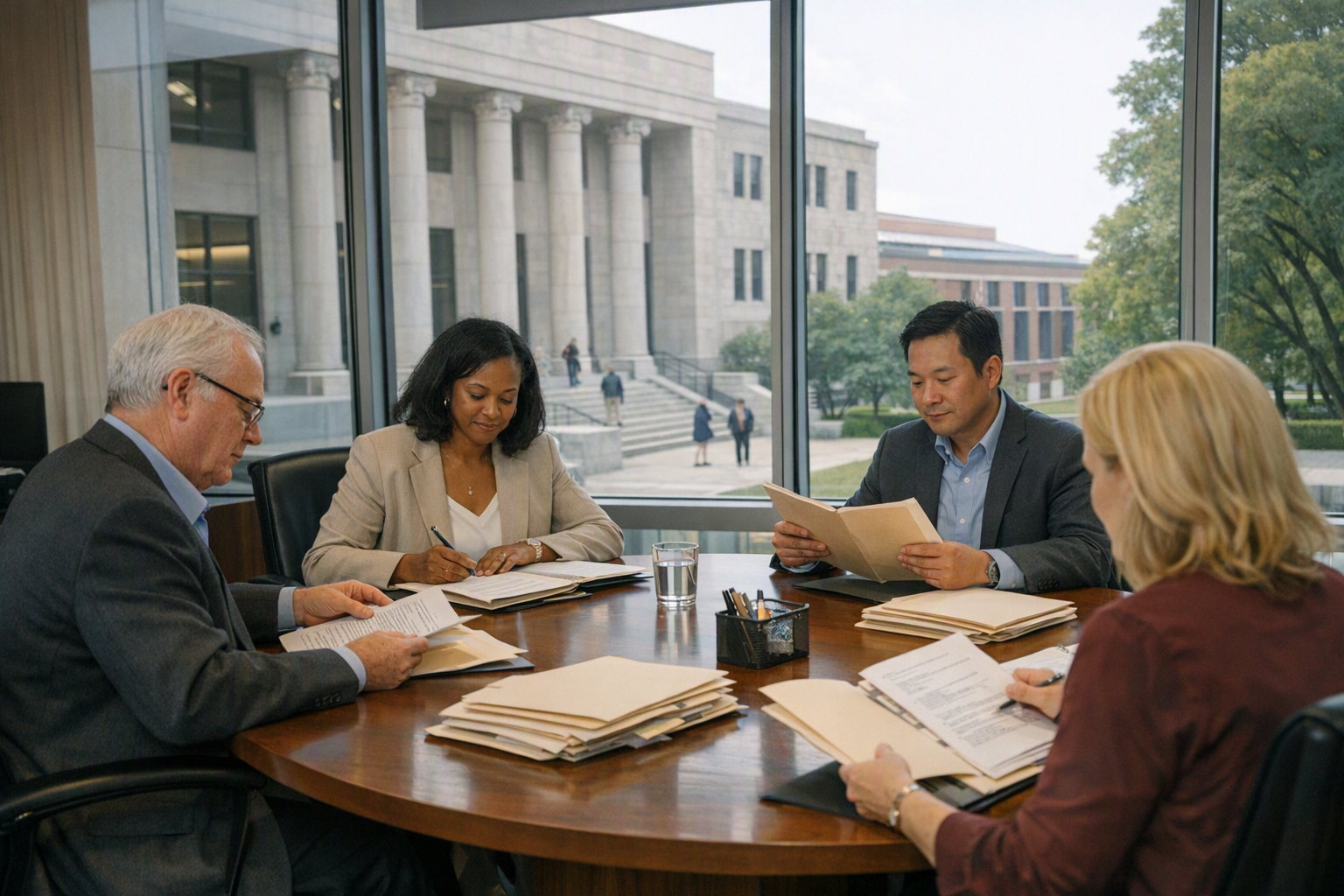
DOJ finding puts UCLA Law under pressure in the 2027 admissions cycle
The Justice Department said UCLA Law used race in admissions for its 2023 to 2025 entering classes, and the finding arrived while the school was already recruiting and reviewing applicants for fall 2027. For admissions leaders, the practical questions now center on essay prompts, event scripts, review guidance, and documentation during a live cycle.

University trial found course AI tutor lowered grades and participation
In a randomized study of 2,379 undergraduates at one public university, sections with tutor access used the LMS far less, and losses were larger for first-generation students.

California creates AANHPI-serving designation pathway for colleges
AB 2374 sets up a cross-sector application process, public student-outcome goals, and five-year designation terms for California campuses. The new law creates recognition and accountability rules, but not an automatic funding stream.
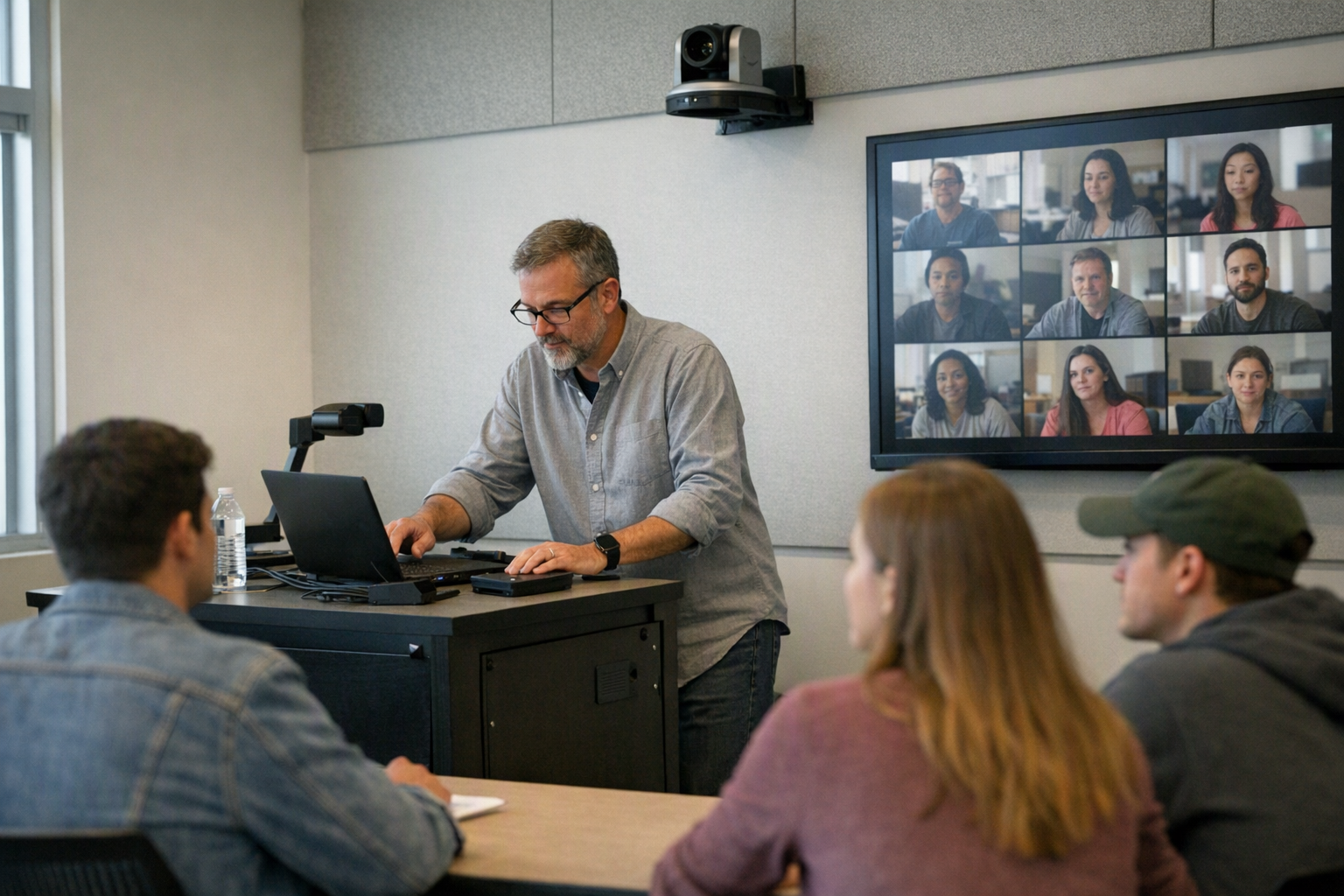
Zoom Classroom is now available for U.S. colleges, with new video analytics
The higher-ed release brings more live teaching tasks into LTI 1.3 LMS platforms such as Canvas and Blackboard, while Zoom Video Management 2.0 adds analytics on views, completion, and engagement for recorded course videos.

Student-loan auto-pay 1% rate break extended to Dec. 31, 2026
Eligible federal borrowers who enroll in auto pay by the new deadline can receive the temporary 1 percentage-point interest-rate reduction through June 30, 2028, giving colleges and financial-aid teams a new date for repayment outreach.

North Carolina gets its first federally approved Workforce Pell programs
Forsyth Technical Community College won federal approval for six short-term workforce programs, with eligible students able to use Pell aid starting in January 2027. The move makes North Carolina the fifth state with approved Workforce Pell offerings and shows the advising, FAFSA, and compliance work colleges still have to build around them.
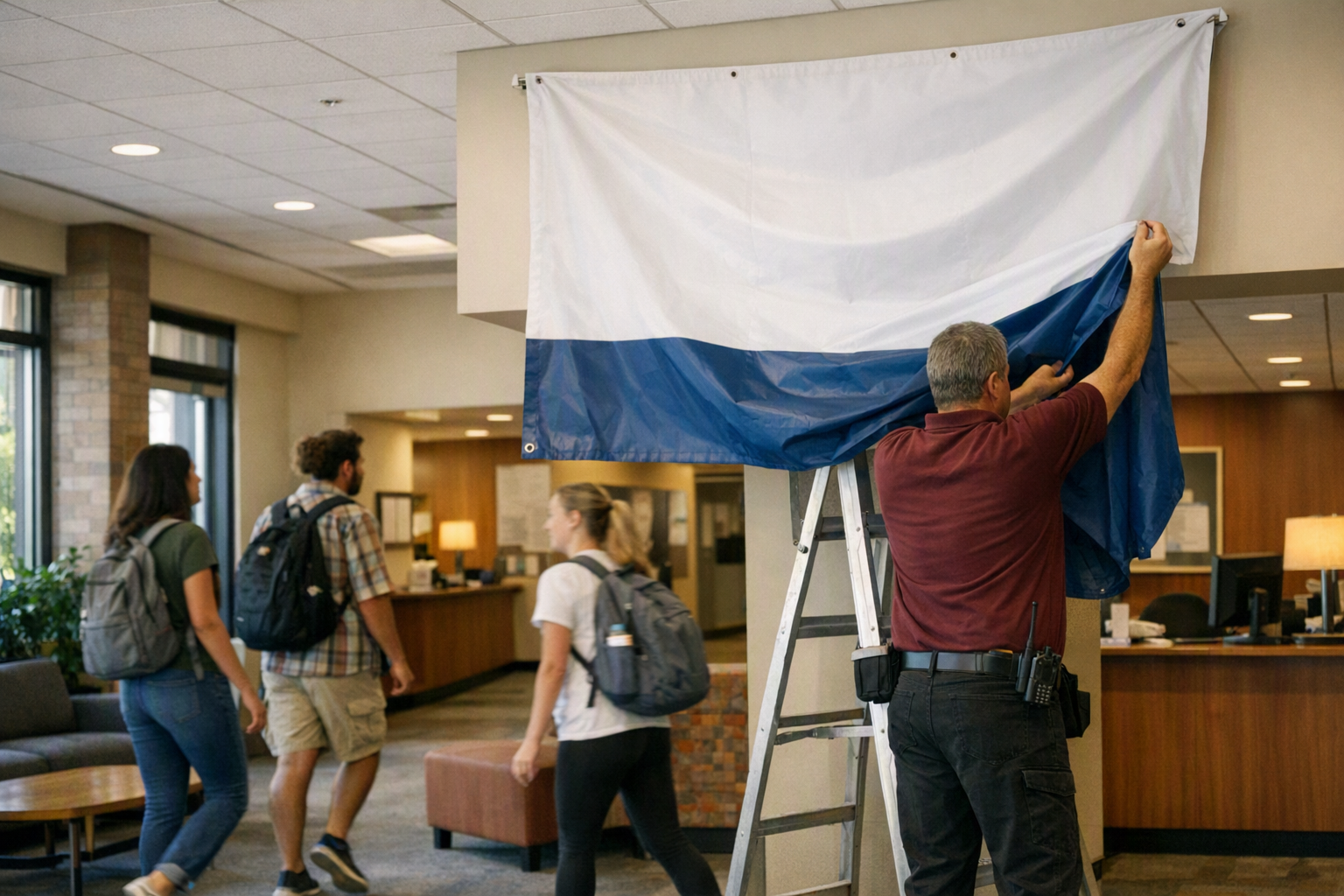
Stanford pulls AI-edited student banner after policy violation
The university said an altered promotional image changed a student’s race and gender, was used without disclosure, and should never have been approved. Stanford has apologized, removed the banner, and says staff training and review will be tightened.
ABA law-school accreditor deadlock sends case to Education Department
A federal advisory panel failed to recommend whether the ABA should keep recognition, leaving a senior department official to decide next steps as freestanding law schools watch the closest Title IV risk.

Boston launches a train-then-teach public health pipeline with UMass Boston
Under the new yearlong model, UMass Boston seniors train with public health professionals this fall and move into supervised high school health teaching in spring 2027, offering other cities a practical template for turning internships into school-day instruction.

Review finds broad failures in Connecticut college system harassment response
An independent review said board leaders and administrators failed to follow required reporting and response procedures in harassment complaints involving former interim chancellor O. John Maduko. The findings land as CSCU is in leadership transition and preparing a national search, putting board governance, Title IX oversight, and executive complaint processes under immediate scrutiny.

DOJ sues Hawaii, D.C., Arkansas and Utah over in-state tuition rules
The new lawsuits target tuition and, in some cases, student aid for undocumented students, creating immediate planning questions for public college legal, registrar and financial-aid teams even before any court ruling.
Berkeley Law Title VI finding raises admissions compliance pressure
Federal agencies say the law school discriminated against Asian and white applicants in its 2024 and 2025 classes, a finding Berkeley disputes. For admissions teams, the case shows how essay prompts, race-data handling, and proxy variables are being scrutinized during the current cycle.

OpenAI brings 400+ ChatGPT Edu seats to two journalism schools
CUNY Newmark and Northwestern Medill will offer institution-managed access for 2026-27, putting privacy settings, sourcing rules, and assignment design at the center of AI rollout decisions.
Virginia math reform expanded access, but one-third never enrolled
A new Virginia working paper found that letting community college students bypass standalone remedial math did not guarantee they would take the new option. At the state’s largest community college, registration hurdles, scheduling conflicts, extra credit load, pathway confusion, and uneven advising kept many eligible students out of class.
Fall aid delays expose problems with the new federal loan rules
Colleges are still reworking aid systems months after the July 1 overhaul, slowing disbursements and leaving some graduate students short on living costs.

Working paper: Academic probation may backfire for low-income students
A September 2026 study at a large California public university found that warning-only probation increased dropout and reduced degree completion for low-income students, while a coaching-based model removed those harms and improved academic performance.

DOJ says GW medical school used race in 2024 and 2025 admissions
The Justice Department says it is seeking a settlement with George Washington University after finding its medical school violated Title VI in recent admissions cycles, a disputed case that gives graduate programs a clearer compliance test for essays, interviews and reviewer records after SFFA.

MIT rolls out course-level AI guidance and redesign support
The institute’s new AI-in-education playbook asks each subject to explain how AI may be used and why, while giving instructors a policy planner, sample syllabus modes, and course redesign help.