Education news archive — Page 7
Explore 185 stories on the decisions, evidence, and tools shaping education.
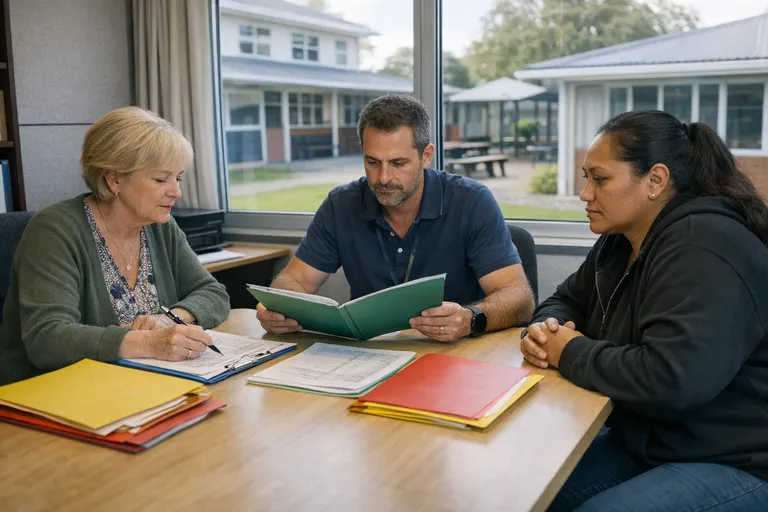
New Zealand attendance rose after schools adopted absence-response plans
Provisional Term 2 data show 64.2% of students attended regularly, up from 58.4% a year earlier, as schools began using mandatory 5-, 10-, and 15-day absence triggers and documented follow-up.
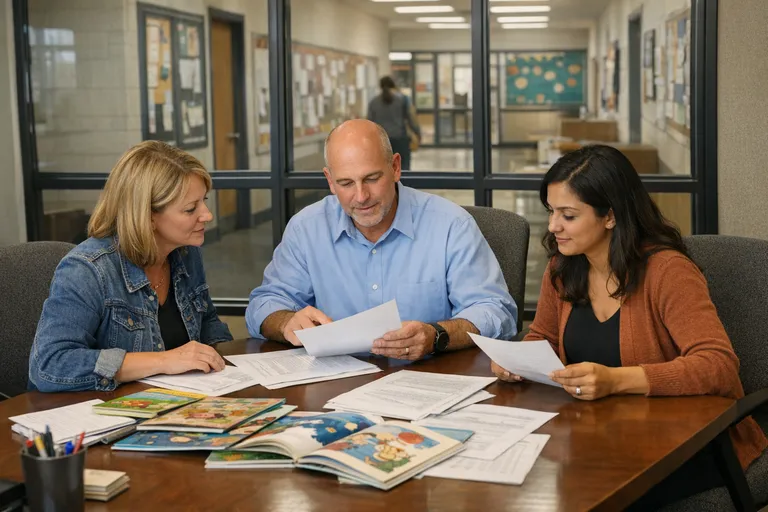
Michigan signs FY27 school budget and new reading training rules
The package sends $502 million to literacy supports, raises per-pupil funding to $10,300, keeps free school meals, and phases in Science of Reading training for K-5 reading educators and teacher-prep faculty.
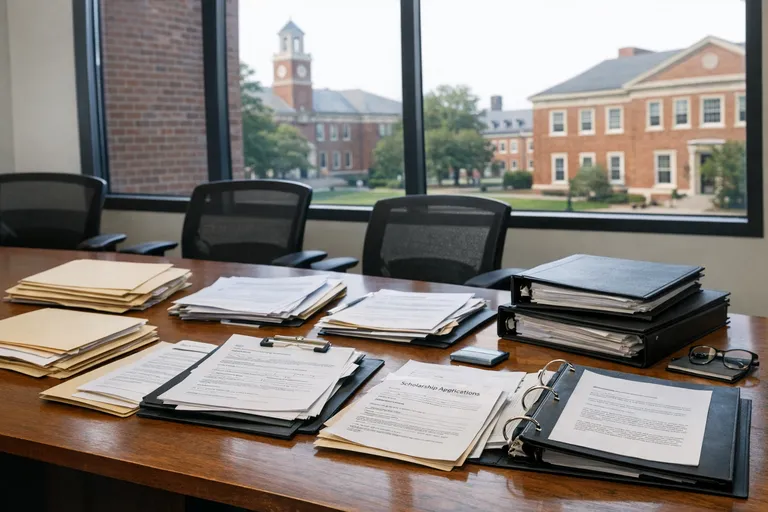
DOJ opens Title VI review of Harvard aid tied to China funding
The department says it is examining whether Harvard financial aid programs linked to China-based funding exclude U.S. citizens, signaling that federal civil-rights scrutiny may be expanding from admissions into scholarship design and donor restrictions.

NASA opens teacher pre-registration for next TechRise challenge
Teachers can sign up now to plan for the 2026-27 TechRise challenge, which is expected to open in September and send 60 winning school experiments on a high-altitude balloon.

A Wisconsin grant shows 4 ways schools are building AI and STEAM
The Sentry Insurance Foundation is funding one districtwide AI initiative and three school-based STEM or STEAM hubs through 2028. Together, the projects offer a practical look at how schools are pairing equipment with curriculum, staffing, and student outcomes.

DOJ says UC San Diego medical school used racial proxies in admissions
A new federal finding says hardship responses, subgrouping methods and reviewer access to race data may have crossed the post-SFFA line for medical school admissions. UC San Diego said it is reviewing the government’s conclusions and remains committed to complying with federal law.
CPS records show 723 employees disciplined in one year
A WTTW records review found 794 disciplinary cases, including 10 involving allegations of sexual abuse of a student, raising new questions about how Chicago Public Schools tracks and explains misconduct cases.

Ohio study finds modest reading gains near third-grade retention cutoff
A July 2026 working paper found that students just below Ohio’s Grade 3 reading threshold made larger ELA gains than similar peers just above it, with smaller positive effects lasting through Grade 7. The biggest effects appeared where schools had both accountability pressure and capacity to add targeted supports.
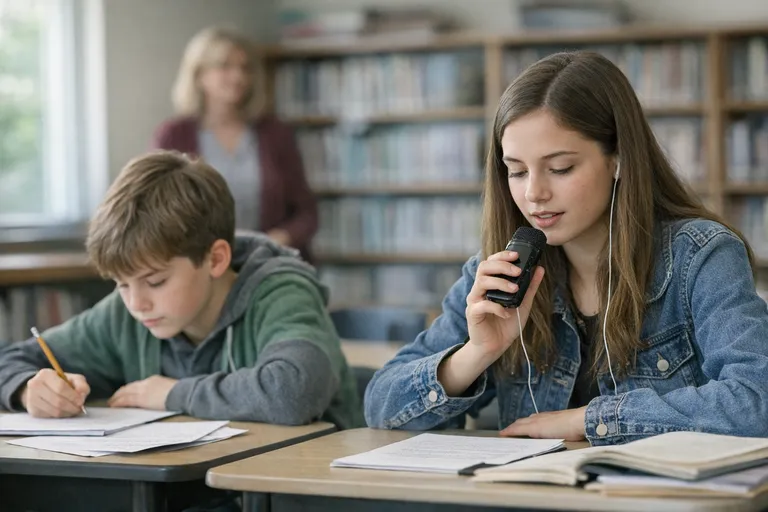
VFW opens 2026-27 student contests with essays, audio essays, and cash awards
The new Voice of Democracy and Patriot’s Pen cycle gives grades 6-12 teachers a ready-made fall writing project, but entries go through local VFW Posts and must follow anonymity and AI-use rules.

Working paper suggests local issues may boost civics learning
A July 2026 randomized study involving 586 participants found that civics lessons centered on salient local issues increased political knowledge and self-efficacy. For teachers planning fall units, the result points to local-first course design as a promising, still provisional approach.

New FAFSA fraud FAQ puts colleges on the hook for flagged applicants
Federal Student Aid says students routed into identity confirmation currently need a mobile device, while colleges must use existing verification workflows to clear many flagged records.

DHS replaces open-ended student visa stays, adding work for colleges
Set to take effect Sept. 15, 2026, the rule would require federal extension filings for longer degree and exchange pathways, reshaping campus advising, travel guidance, and compliance planning.

2026 Congressional App Challenge Opens in Participating Districts
Middle and high school students can submit original apps for free by Oct. 26, either solo or in teams. For schools, the first step is confirming that their congressional district is actually hosting a challenge.
DOJ sues Maryland over in-state tuition and aid for undocumented students
The federal lawsuit asks a court to block Maryland’s Dream Act tuition and aid rules. For public colleges, the immediate issue is not a policy change yet, but whether an injunction could disrupt 2026-27 tuition coding, billing, and state-aid packaging.

Ofqual keeps existing AI rules for England’s qualifications sector
A refreshed policy paper says Ofqual will not create a separate AI rulebook for qualifications in England. Instead, awarding organisations must show any AI use delivers valid, reliable and fair outcomes, with human oversight, quality assurance and clear accountability.

FIRST changes 2026-27 robotics registration, pricing and school checkout
Schools planning a FIRST team this fall now have summer prep work: updated fees, a refreshed dashboard, a July storefront rollout and new purchasing steps for purchase orders and tax-exempt checkout.

EEF names three early-years programmes as promising after new trials
New EEF evaluations give leaders a clearer autumn shortlist: NELI Preschool showed the strongest everyday-practice language gains, while Talking Time and Emotion Coaching come with more specific evidence caveats.
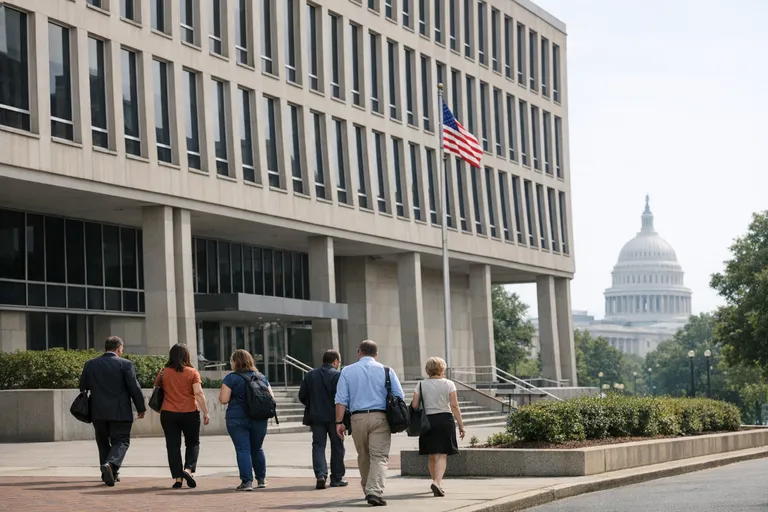
House panel backs bills to move Education Department work to Treasury and Labor
The House Education and Workforce Committee approved a 10-bill package that would shift student aid to Treasury and move major K-12 and higher education programs to Labor, with other functions going to HHS, State, and Interior. The measures are not law, but they offer districts and campuses their clearest map yet of how a federal breakup plan could reshape grants, reporting, and compliance.

What Schools Can Learn From Chief Leschi’s Graduation Gains
AP reporting on the Bureau of Indian Education’s record graduation rate points to a practical lesson at Chief Leschi Schools: career pathways tied to real work can help keep students engaged. The story also comes with an important caution, since cleaner student tracking has contributed to the rise in reported rates.
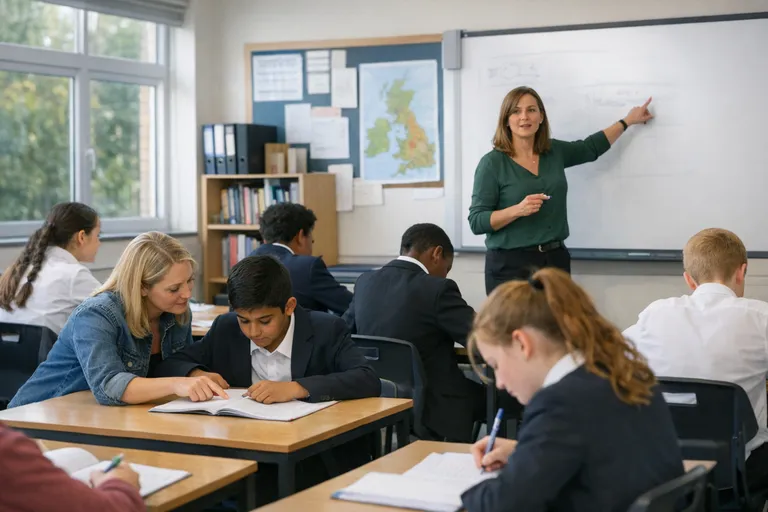
EEF inclusion guide says stronger everyday teaching should come first
A new EEF guide for mainstream schools in England is less a fresh intervention than a usable decision framework: tighten universal classroom practice first, then use targeted support selectively and monitor whether it helps.

Anthropic launches free Claude for Teachers plan for verified U.S. K-12 staff
Eligible teachers, aides, librarians, special education staff, and administrators who verify by June 30, 2027 get at least a year of higher-tier Claude access. Anthropic says the educator-only version adds state standards and curriculum connections through Learning Commons, tool integrations, and K-12 privacy terms.

Lower suspension rates can hide unequal discipline, working paper finds
Using detailed records from one large Southern district, researchers found that schools usually responded to incidents with a single punitive action — and non-suspension consequences were uneven too.

T-ReX opens July 14 for college teams to reuse retired energy hardware
The National Laboratory of the Rockies’ new academic-year competition invites U.S. postsecondary teams to tackle recycling or repurposing projects before applications close Sept. 30. For colleges, it looks like a strong capstone or workforce project, though public details on rules, costs, and prize support are still limited.

OpenAI brings ChatGPT Work to faculty and staff workflows
The new agent-style tool is aimed at longer school and campus projects across approved files, connected apps, and the web, with admin controls and human approval built into key steps.