Pennsylvania rejects easier PSSA, Keystone advanced cut scores
The State Board left existing performance thresholds in place for reading, math, Literature, and Algebra I, meaning 2026 score reports will use current standards whenever delayed results are released.

Pennsylvania’s State Board of Education on Thursday, Nov. 19, rejected a proposal to make the top “advanced” performance band easier to reach on the state’s spring reading and math tests, leaving existing cut scores in place and extending uncertainty around delayed 2025-26 results. For districts and families, the practical answer is this: when 2026 PSSA and Keystone reports finally arrive, students will still be labeled under Pennsylvania’s current standards — but the state has not yet said when those rerun results will be released. The board’s agenda shows members took up both a “2026 Statewide Assessment Review” and an action item on cut scores for the PSSA in English language arts and math and the Keystone Exams in Literature and Algebra I. Fox43 and WHP/Local21 both reported that the board voted the proposal down and that the Department of Education said results now must be rerun using the existing standards.
What the vote means for student labels
Cut scores are the thresholds that sort a student’s scale score into Pennsylvania’s four reporting bands: below basic, basic, proficient, and advanced. The state’s PSSA page says those individual results are used by schools to identify students who may need added academic support, while the Pennsylvania Accountability System page notes that PSSA and Keystone data also feed school accountability reporting under federal law.
That is why Thursday’s vote matters beyond test jargon. The rejected proposal would not have changed who counted as proficient on the PSSA, but it would have lowered the score needed to be labeled advanced, according to Chalkbeat’s earlier reporting, republished by Pennsylvania Capital-Star. By keeping the current cut scores — first adopted for PSSA English language arts and math in 2015 and still listed for Keystone Algebra I and Literature on the state’s Keystone exams page — the board preserved the old definitions of “advanced.” In plain terms, some students who might have moved into the top band under the proposal will now remain proficient instead.
That should make the eventual 2026 labels easier to compare with prior years than a retroactive standard change would have. But it does not solve every comparability problem. Pennsylvania’s own online assessment resources say spring 2026 was the first year all PSSA and Keystone testing was conducted online statewide, a major shift that state officials had cited as part of the reason for revisiting score thresholds in the first place.
Why the delays are hitting families now
The most visible consequence is in Philadelphia, where state test scores are part of the district’s selective school-admissions process. In a Nov. 12 district update, Superintendent Tony Watlington said the Pennsylvania Department of Education had informed districts on Aug. 18 that official 2026 PSSA and Keystone results would be put on hold. The district extended its school-selection timeline, saying the application system would temporarily close on Nov. 24 and reopen on Dec. 2 so updated test results could be loaded into student applications.
Philadelphia’s school selection page says district students’ attendance, grades, and PSSA scores are automatically filled into applications. Some schools set explicit test-score screens. Central High School’s admissions page says applicants must score at or above the 80th percentile on standardized math and English exams. After Thursday’s board vote, that district plan is newly uncertain, because PDE told reporters it must rerun scores under the old standards and did not give a replacement release date.
Philadelphia is the clearest example, but the disruption is broader. State assessment results are also used in many districts for fall placement conversations, intervention planning, and family conferences. Pennsylvania’s official assessment reporting page still showed 2025 — not 2026 — as the latest public PSSA and Keystone data on Friday morning, a sign that statewide reporting remains unresolved.
What districts can tell families now
The cleanest message for superintendents and principals is that the board did not approve easier “advanced” thresholds for spring 2026 reading and math-related state tests. When reports come out, they will use Pennsylvania’s existing cut scores, not the proposed lower advanced bar. Districts should also be careful not to overpromise on timing: as of Friday, the state had not posted meeting minutes or a new public release schedule.
One other point is worth making to families and school boards: Thursday’s vote was not a blanket rejection of all test-standard updates. The board’s actions page shows that on Sept. 10 it approved new performance descriptors and cut scores for grade 5 and grade 8 science PSSA exams and the Biology Keystone exam. The Nov. 19 fight was narrower — over English language arts, math, Literature, and Algebra I, and over whether to change those labels after students had already tested.
The next development to watch is simple but consequential: when PDE tells districts it can release corrected 2026 reports, and whether state officials bring back a revised cut-score proposal in 2027 with more time, more transparency, or both.
More from Exams & Assessment
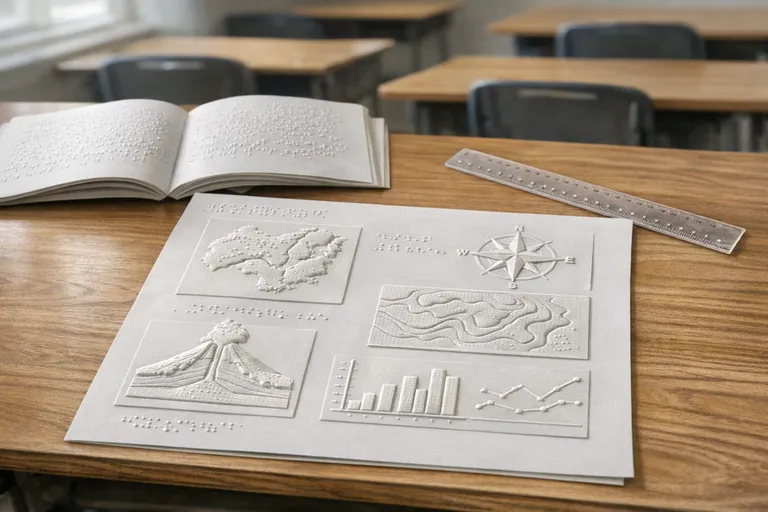
AQA fined £350,000 over braille GCSE Geography exam failures
Ofqual said five learners were denied equal access in 2024 and ordered AQA to strengthen braille production, supplier oversight and quality checks, with a formal review after the 2027 summer series. For centres, the case is a reminder to preserve faulty papers, invigilator notes and question-level evidence quickly if modified materials fail.
California starts notifying families in ETS student data breach
California says notices to affected current and former public school students began October 16 and will continue into early November, with free identity-protection services offered through ETS.

Kentucky report cards show reading gains as top school ratings fall
The 2025-26 results released Oct. 15 are Kentucky’s last report cards under the current accountability formula before House Bill 257 changes how schools are measured next year.