AQA fined £350,000 over braille GCSE Geography exam failures
Ofqual said five learners were denied equal access in 2024 and ordered AQA to strengthen braille production, supplier oversight and quality checks, with a formal review after the 2027 summer series. For centres, the case is a reminder to preserve faulty papers, invigilator notes and question-level evidence quickly if modified materials fail.
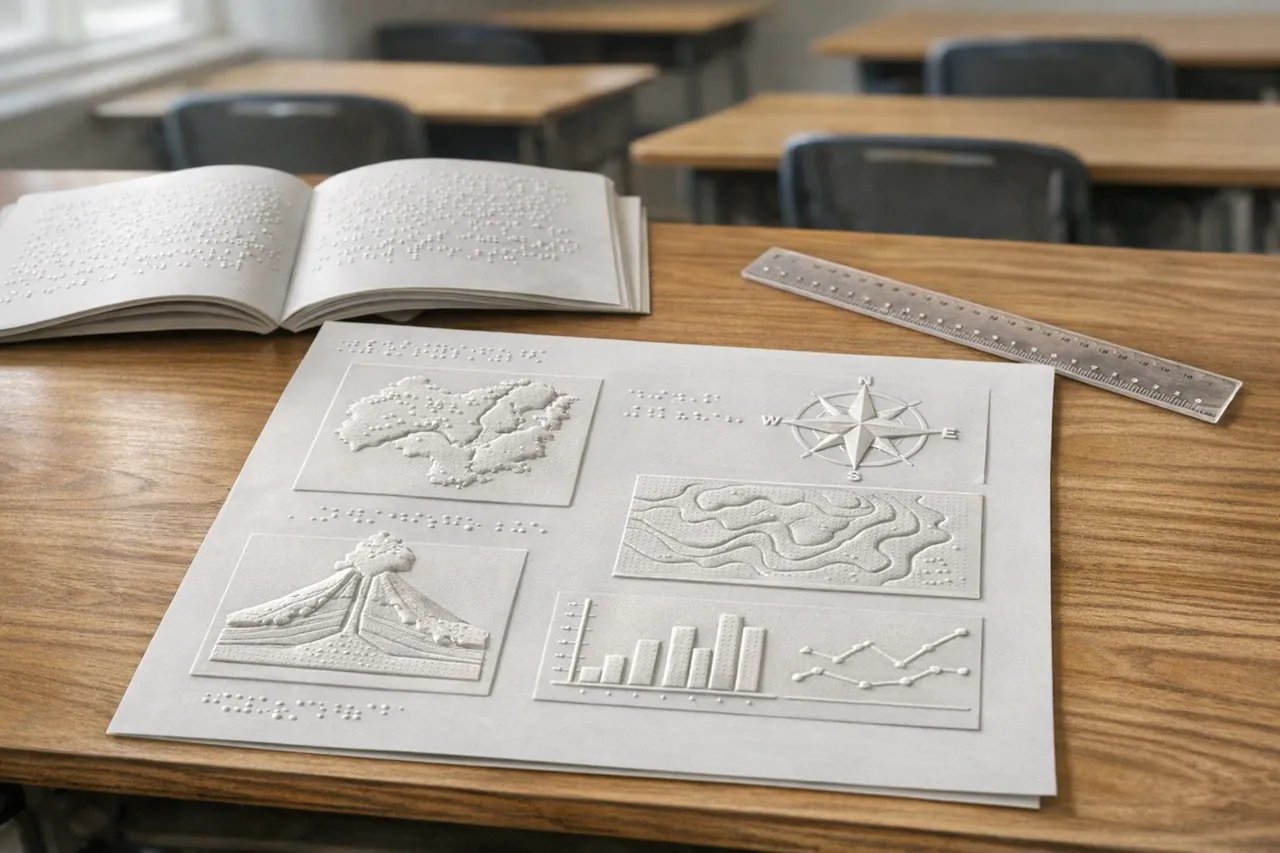
England’s exams regulator has fined AQA £350,000 after concluding that repeated failures in the board’s braille GCSE Geography materials denied five visually impaired learners equal access in the summer 2024 exams, and it has ordered AQA to complete a formal corrective plan that will stay under review through the 2027 summer series. Ofqual published the penalty notice, undertaking and costs notice on November 20, saying AQA had already agreed to the fine in a voluntary settlement reached on November 2. (gov.uk)
For schools and colleges, the immediate takeaway is practical rather than sensational: this was a small group of candidates, not a systemwide reopening of GCSE results, but it is a sharp warning about what centres should do if accessible materials fail. In practice, that means logging problems in real time, preserving the faulty paper and invigilator notes, identifying the affected questions, and making a supported special-consideration case quickly, because later reconstruction of the damage may be limited. JCQ says centres should apply for special consideration only where an adverse event materially affected a candidate’s performance and where evidence is in place; AQA separately tells centres to explain what happened and the impact on the candidate when they submit. (jcq.org.uk)
Ofqual’s notice describes 56 accessibility issues reported across 47 event notifications between March 27, 2024 and April 20, 2026. The errors included insufficient tactile distinction between symbols and textures, overly compact maps and diagrams, grid spacing that did not match guidance, oversimplified figures, missing or incomplete written descriptions, and production failures in raised textures made through the swell-paper process. All three GCSE Geography papers, including the pre-release material for Paper 3, were affected. (gov.uk)
AQA accepted that braille learners “did not have equal access” to the assessments and were disadvantaged compared with peers using standard papers, Ofqual said. The regulator added that neither it nor AQA can now determine the precise impact on individual learners because the summer 2024 scripts and item-level data had been destroyed under AQA’s retention policy before a full analysis could be completed. That limitation is one reason this case matters beyond five candidates: once an accessibility failure is discovered late, the evidence for judging its effect can disappear faster than the policy lessons do. (gov.uk)
Why Ofqual treated this as more than a one-off
Ofqual said warning signs had appeared earlier. After braille Geography papers were used in 2023 mocks, a user raised accessibility concerns with AQA ahead of the 2024 live series, but AQA concluded that many of the issues did not require remedial action. After the live exams, concerns raised through the special-consideration process suggested similar problems remained, and Ofqual said AQA failed to follow its own escalation procedures. The investigation and reporting process then stretched for more than 18 months, with final event notifications not filed until April 20, 2026. (gov.uk)
The fine also reflects persistence, not just the Geography papers themselves. Ofqual said it took account of seven additional braille assessment-material errors in the summer 2024 series, four in summer 2025 and six more in summer 2026 across other regulated qualifications. That is an important distinction for school leaders: the regulator is treating braille failures as a governance and quality-assurance problem, not simply a supplier mistake on one subject. (gov.uk)
What AQA now has to change
Under the formal undertaking accepted by Ofqual, AQA must tighten expectations and monitoring for braille suppliers, add more stringent end-to-end quality assurance, centralise oversight of modified-paper production, and build staff expertise through training and recruitment. After the 2027 summer exam series, AQA must review whether those steps worked and report back to Ofqual by September 1, 2027; if Ofqual is not satisfied, it can require further planning. Separately, AQA must pay £15,000 toward Ofqual’s costs. (gov.uk)
Ofqual’s documents also note that AQA had already started making changes before publication of the sanction. Ahead of summer 2026, the board said it had strengthened governance, supplier oversight and internal controls, added specialist quality-assurance support, used technology to detect discrepancies between standard and braille papers, and improved the way accessibility concerns raised through special consideration are escalated. Ofqual said those steps were relevant mitigation, but not enough to erase the seriousness of the failures. (gov.uk)
What centres should do if modified papers go wrong
For SEND leaders and exams officers, the regulatory documents line up with existing JCQ rules in a way that is easy to miss during a busy exam series. Modified question papers are part of access arrangements, and JCQ makes clear that the centre, not the awarding organisation, decides whether a candidate meets the published criteria for special consideration and whether there is evidence to support an application. AQA’s own guidance says special consideration can sometimes lead to mark adjustments when a student is disadvantaged during exams, and its 2026 advice tells centres not to delay requests unnecessarily and to submit a single application for a present-but-disadvantaged candidate once all affected components are complete. (aqa.org.uk)
That does not guarantee a full remedy. JCQ says special consideration can only make minor adjustments and “cannot remove the difficulty” a candidate faced. In other words, if a braille map, graph or tactile diagram is wrong on exam day, the best school response is still immediate evidence-gathering and escalation, not confidence that the issue can be neatly fixed after the fact. Ofqual will now test AQA’s longer-term fix after the 2027 summer series; for centres, the nearer-term question is whether exam-day systems are strong enough to spot and document any failure before the trail goes cold. (jcq.org.uk)
More from Exams & Assessment
Pennsylvania rejects easier PSSA, Keystone advanced cut scores
The State Board left existing performance thresholds in place for reading, math, Literature, and Algebra I, meaning 2026 score reports will use current standards whenever delayed results are released.
California starts notifying families in ETS student data breach
California says notices to affected current and former public school students began October 16 and will continue into early November, with free identity-protection services offered through ETS.

Kentucky report cards show reading gains as top school ratings fall
The 2025-26 results released Oct. 15 are Kentucky’s last report cards under the current accountability formula before House Bill 257 changes how schools are measured next year.