University of Oregon graduate employees move toward possible Nov. 16 strike
If no contract deal is reached, the first disruptions are likely to hit discussion sections, labs, grading, office hours and some graduate-taught courses rather than every lecture hall at once.
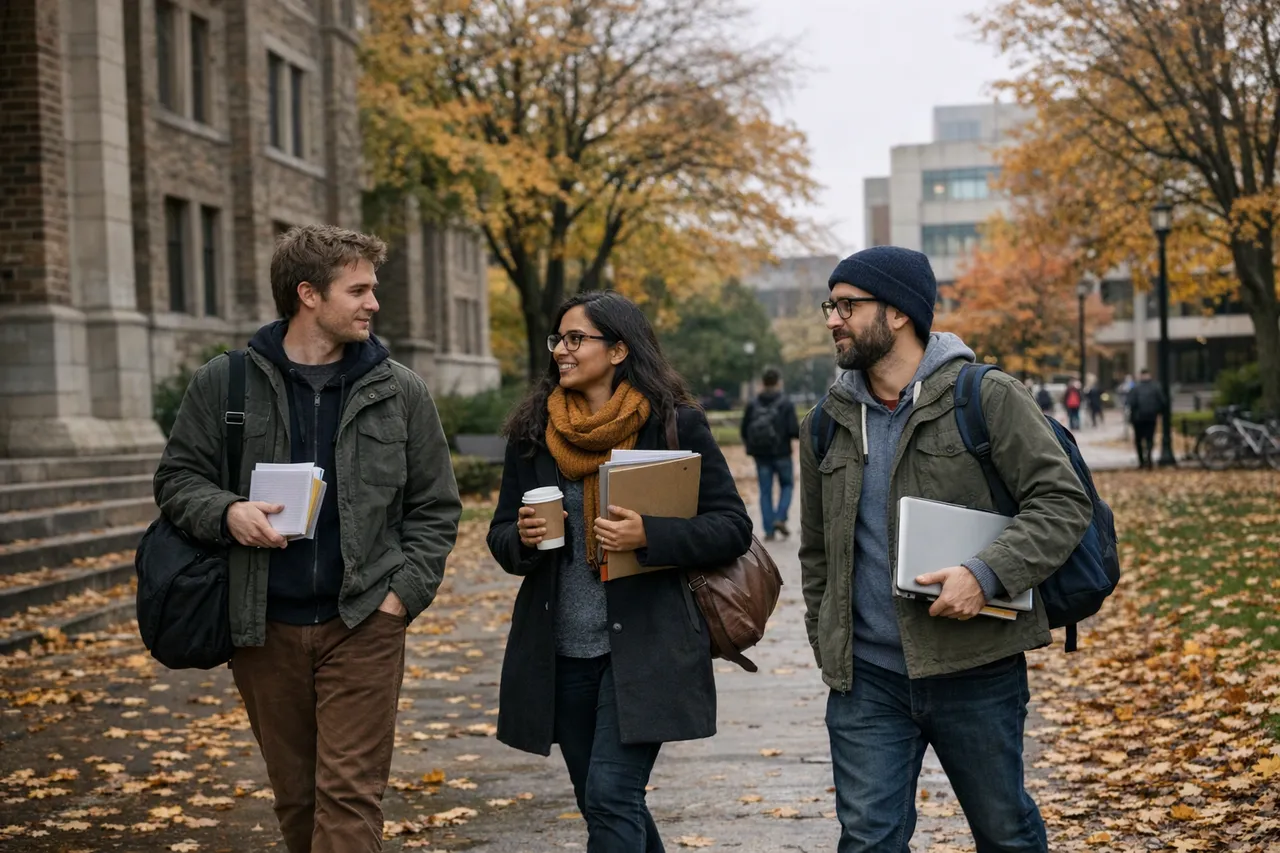
University of Oregon graduate employees have moved a step closer to a walkout, with the Graduate Teaching Fellows Federation signaling that a strike could begin on November 16, 2026 if no deal is reached. For campus teams trying to plan ahead, the first trouble spots are not likely to be every lecture hall at once. They are more likely to be the parts of academic life that depend directly on graduate labor: discussion sections, labs, office hours, grading, assignment feedback and some courses taught by graduate instructors themselves. (klcc.org)
What changed is procedural as much as political. The university says it has been bargaining with the union since March 2026; GTFF declared impasse on October 1, both sides filed final offers on October 8, and the statutory cooling-off period followed. Under Oregon public-sector bargaining rules, a strike-permitted union can walk only after mediation and impasse procedures, a 30-day cooling-off period and 10 days’ notice to the employer and the state. UO’s bargaining page had earlier listed November 8 as the first legal strike date after cooling off; the union’s new notice now points campus attention to November 16 instead. (hr.uoregon.edu)
What breaks first if graduate employees walk?
The clearest answer is: the work that is hardest to centralize. In the university’s own bargaining materials, graduate employees classified as instructors are described as doing solo instruction, leading discussion sections, teaching labs, holding office hours, grading, reviewing student work and providing feedback. UO also says the bargaining unit covers instructional, research and administrative assignments and normally fluctuates between about 1,300 and 1,500 members. In practice, that means a strike would hit many high-frequency student touchpoints before it necessarily shuts down every faculty-led lecture. (hr.uoregon.edu)
That distinction matters for departments. A large lecture taught by a professor may still meet, but if graduate employees are the people running weekly sections, answering student questions, staffing lab meetings or entering grades, the course can continue in name while becoming much less functional for students. Research disruption is likely to be less uniform: some labs may absorb short gaps, while others that rely heavily on graduate researchers could lose momentum quickly. This is an inference from the roles UO assigns to graduate employees and from the university’s own statement during the 2024 near-strike that academic units and research groups were developing local coverage plans for graduate-employee work. (hr.uoregon.edu)
What departments, instructors and students should watch now
For department chairs and course leads, the practical planning question is not just whether classes are canceled. It is where the single points of failure sit. UO’s graduate studies office says graduate employee appointments at 0.25 FTE or higher come with salary, tuition waiver, fee support and health insurance, underscoring how embedded these jobs are in the university’s academic model. The useful continuity check before November 16 is to identify which courses have a graduate employee as instructor of record, who controls grading workflows, which labs or discussion sections have no faculty backup, and which student-support functions depend on one graduate worker rather than a team. (graduatestudies.uoregon.edu)
One reason campus readers may feel whiplash is that the public record is not perfectly tidy. UO’s current-proposals page says the two sides’ salary offers are aligned and that health insurance is the primary remaining difference in the final offers. But union statements reflected in local coverage have continued to describe both wages and health insurance as unresolved. That mismatch suggests either bargaining positions or public framing have shifted since the university’s last detailed web update, and it is a reminder not to overread any single snapshot of negotiations. (hr.uoregon.edu)
Timing also raises the stakes. Local coverage of the union’s announcement framed a November walkout as a threat to late-term grading and course completion, not just classroom meetings. That is why the most exposed functions are likely to be assessment and feedback rather than the physical act of holding every class meeting. Students may first notice slower grading, canceled sections, fewer office hours and uneven communication across departments before they see a blanket shutdown. (klcc.org)
As of Sunday, November 8, the university’s bargaining pages laid out the legal timeline and proposals but did not, on those pages, spell out detailed course-by-course continuity steps. So the next development worth watching is not only whether bargaining produces a tentative agreement, but whether UO starts publishing department-facing guidance on instructional coverage, lab continuity and grading authority before November 16. (hr.uoregon.edu)
More from Higher Education

Lilly Endowment Gives Indiana Colleges $291.7M for AI Implementation
The 35 grants move campuses from planning to rollout, with early projects focused on course redesign, advising workflows, faculty training, student support, and data infrastructure. The next test is whether colleges publish evidence on outcomes, governance, and privacy protections.

19-university trial finds instructor-designed AI improved STEM exam scores
A new pre-registered higher-ed study found learning gains when faculty built AI tools around specific courses and students were tested on proctored, AI-resistant exams. The same evidence turn looks sharper because a recent University of Maryland trial found a generic course-integrated AI tutor lowered grades and participation.
Dartmouth launches campuswide AI pilots with grants and school-level rules
The 2026-27 package adds teaching and research grants, GPU access, staff guidance, and school-specific ethics frameworks, with a formal review to decide what gets expanded or cut.