Mississippi schools now must intervene after a student’s third absence
Under rules now in effect, schools must contact families after three cumulative absences, limit routine excused days to five per semester, and document supports before truancy referrals escalate.
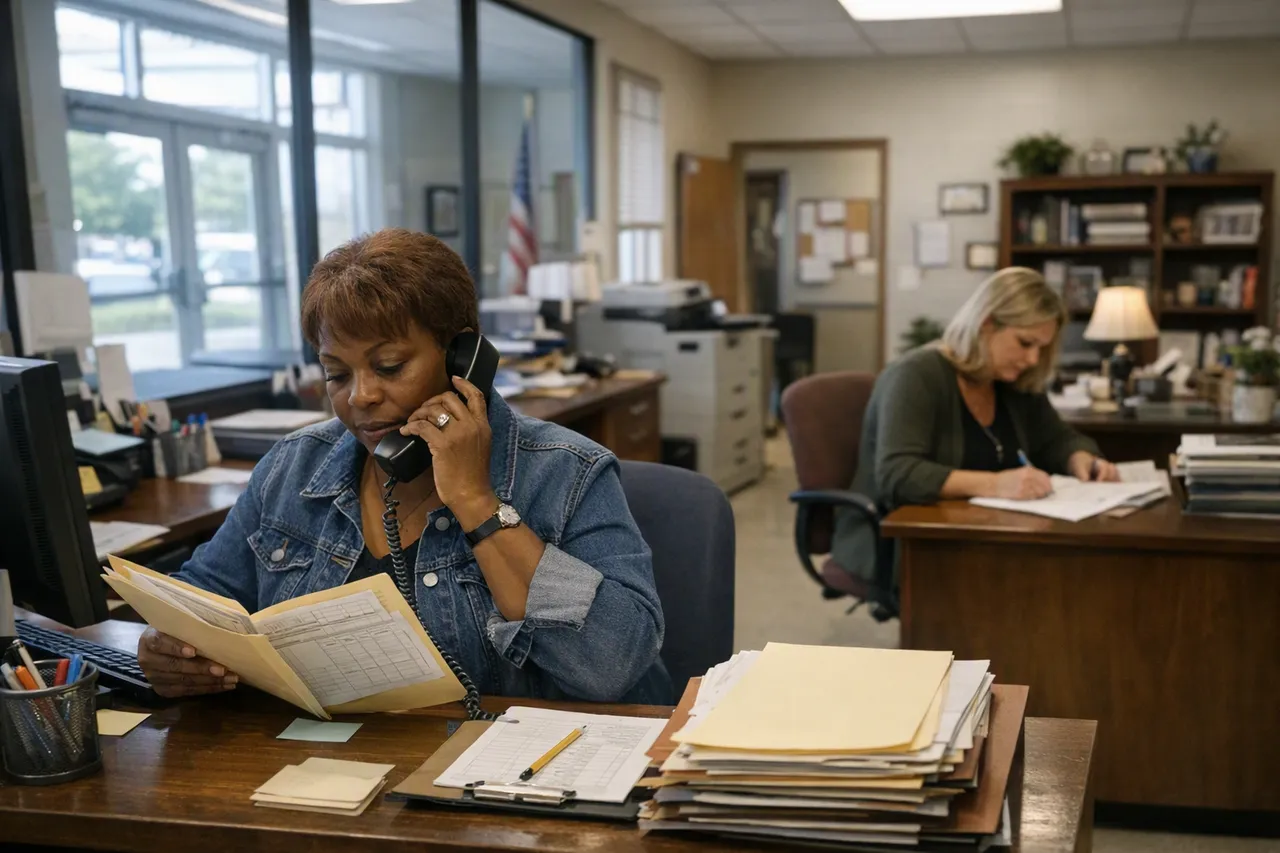
In Mississippi, the attendance conversation is now starting much earlier. This fall, public schools must contact a parent or guardian and begin school-based interventions after a student’s third cumulative absence, whether those absences were excused or unexcused. Once a student reaches five cumulative unlawful absences, schools must refer the case to a School Attendance Officer and keep referring it at 8, 12, 15, and every additional five unlawful absences after that. The revised rules took effect July 1, 2026, and they are already changing the daily workflow for principals, counselors, attendance clerks, and family-facing staff. (mdek12.org)
What changed is not just the referral clock. The Mississippi Department of Education’s implementation materials say students are generally limited to five excused absences per semester unless there are extenuating circumstances or superintendent-level approval, and districts are expected to actively monitor chronic absenteeism, defined as missing 10% or more of enrolled school days. The state’s 2024-25 chronic absenteeism report shows why lawmakers and state officials pushed harder: 120,408 public-school students were chronically absent last year, a statewide rate of 27.6%. (mdek12.org)
For schools, that means attendance work is no longer something that starts when truancy becomes obvious. It starts when a student hits absence No. 3 and someone in the building has to make contact, log that contact, decide what support makes sense, and keep records that can stand up if the case later moves to an attendance officer. Districts are also now required to adopt board-approved attendance policies, establish family-engagement protocols for students at risk of chronic absenteeism, post those policies online, review them at least every three years, and report disaggregated attendance data to their school boards annually. (mdek12.org)
The new attendance workflow is starting to look the same across districts
The most useful thing Mississippi educators have gotten from the state is not a slogan but a sequence. In the Mississippi Department of Education’s summer guidance and referral flow chart, the steps are explicit: after three absences, contact the family, document the communication, and begin interventions; after five unlawful absences, submit a referral and continue interventions; after 8, 12, and 15 unlawful absences, keep referring and share fuller documentation. This year, districts are also expected to use a new statewide portal for attendance referrals, which pushes the work toward more standardized reporting. (msachieves.mdek12.org)
You can already see districts translating that state workflow into parent-facing practice. On its attendance page, Starkville Oktibbeha Consolidated School District tells families who expect to go beyond five excused days in a semester to file a pre-approval request, and it posts the contact information for the district’s School Attendance Officer alongside the state flow charts. Clinton Public School District’s July guidance spells out the operational version for office staff and families: students must be present for 66% of the school day to count as present, students get five excused absences per semester, medical documentation is required after the third illness-related absence, and additional excused days require principal approval. (starkvillesd.com)
That is the part of the law educators elsewhere may want to copy: turn the statute into a visible workflow before the first referral is due. In practical terms, that means front desks need scripts, principals need an approval routine for extra excused days, counselors or intervention teams need a standing process for the third absence, and somebody has to own the paper trail. A law written to reduce chronic absenteeism becomes, in a school building, a series of very ordinary questions: Who calls home? Where is that call logged? When does the counselor get looped in? What counts as an intervention? (msachieves.mdek12.org)
The law pressures schools to intervene earlier, not just punish faster
The best reading of Mississippi’s new rules is that they try to move schools from end-stage truancy enforcement to earlier case management. That matters because the state’s own MTSS guidance on attendance says chronic absence usually signals one of four underlying problems: barriers such as illness, trauma, transportation, or family responsibilities; aversion to school; disengagement from school; or simple misconceptions about how much missed time matters. The guidance urges educators to treat absenteeism as a support problem before it becomes a compliance problem. (mdek12.org)
That framing is beginning to show up in district messaging. In Copiah County, district officials told families the three-absence notice was meant as an early, supportive warning rather than a punishment, emphasizing that the heavier referral steps apply later and only to unlawful absences. That distinction matters. If schools use the third absence only to send a generic warning letter, they will satisfy the contact rule but miss the point. If they use it to ask whether the issue is transportation, asthma, anxiety, housing instability, or a class schedule problem, they have a better chance of preventing absence No. 5 from becoming a truancy referral. (wessonnews.com)
The documentation burden is real, though. Mississippi’s flow chart does not just require a call at three absences; it expects schools to keep documenting contacts and interventions as cases progress. That is manageable in a school with a strong attendance clerk, counselor team, or student-support structure. It is harder in small or understaffed schools where the same administrator is already covering discipline, parent meetings, and transportation complaints. The second-order effect of the law may be that districts with the best internal systems improve fastest, while districts with thin student-support staffing feel the new rule mostly as paperwork. (mdek12.org)
Families with health or transportation barriers may feel the squeeze first
The most immediate concern in local reporting has been what happens to students whose absences are legitimate but frequent. A Sept. 15 statewide story from RHCJC News reported that a Mississippi pediatrician, Constance Barnes-Woods, worried the tighter documentation rules could burden families managing chronic conditions such as sickle cell disease, asthma, or recurring illnesses. The issue is not whether those absences are real. It is that after repeated illness-related absences, families may need more formal documentation to keep the days excused, and additional days above the usual semester cap require administrative approval. (queencitynewsfeed.com)
That trade-off is at the heart of the policy. State leaders are trying to stop students from quietly accumulating 15 or 16 missed days across a year before anybody intervenes. The Mississippi Free Press reported this week that Associate State Superintendent Bryan Marshall framed the law as an attempt to interrupt chronic absenteeism earlier, not let large totals build through a mix of excused and unexcused days. But earlier intervention also means earlier friction for families whose barriers are structural, not motivational. A school can require a doctor’s note; it cannot create a nearby clinic, paid leave for caregivers, or more reliable transportation on its own. (mississippifreepress.org)
That is why the new family-engagement requirement may end up mattering as much as the absence thresholds. If districts treat family engagement as compliance language, the law will mostly produce more notices and referrals. If they use it to build pre-approval systems, nurse or counselor check-ins, transportation problem-solving, and clearer documentation routines for students with chronic health needs, the early-contact rule could become genuinely preventive. Mississippi’s schools have the legal thresholds now. The question for the first semester is whether absence No. 3 becomes the start of a support plan or just the first item in a thicker attendance file. (mdek12.org)
More from Policy & Funding

Illinois school mental-health screening guidance faces federal rewrite order
The U.S. Department of Education gave Illinois until Nov. 13 to revise guidance for statewide student screenings, saying an opt-out model and optional record placement may conflict with PPRA and FERPA.

Fifth Circuit restores Mississippi DEI law for schools and colleges
The appeals court lifted the injunction against H.B. 1193 and reassigned the case, putting the law back in effect while districts and campuses review training, hiring, and programming.

Supreme Court to hear magnet admissions case over proof in race-bias claims
The justices limited review to whether challengers to a race-neutral K-12 admissions policy must show group-wide disparate impact against the applicant pool, a technical question with big consequences for selective programs.