HHMI opens 2027 Cech Fellows applications for paid summer biomedical research
Applications for HHMI’s 2027 Cech Fellows Program are open through Dec. 17 for a nine-week paid summer research experience. Students can apply without prior lab experience, but the stipend’s value depends on whether housing is included at the placement site.
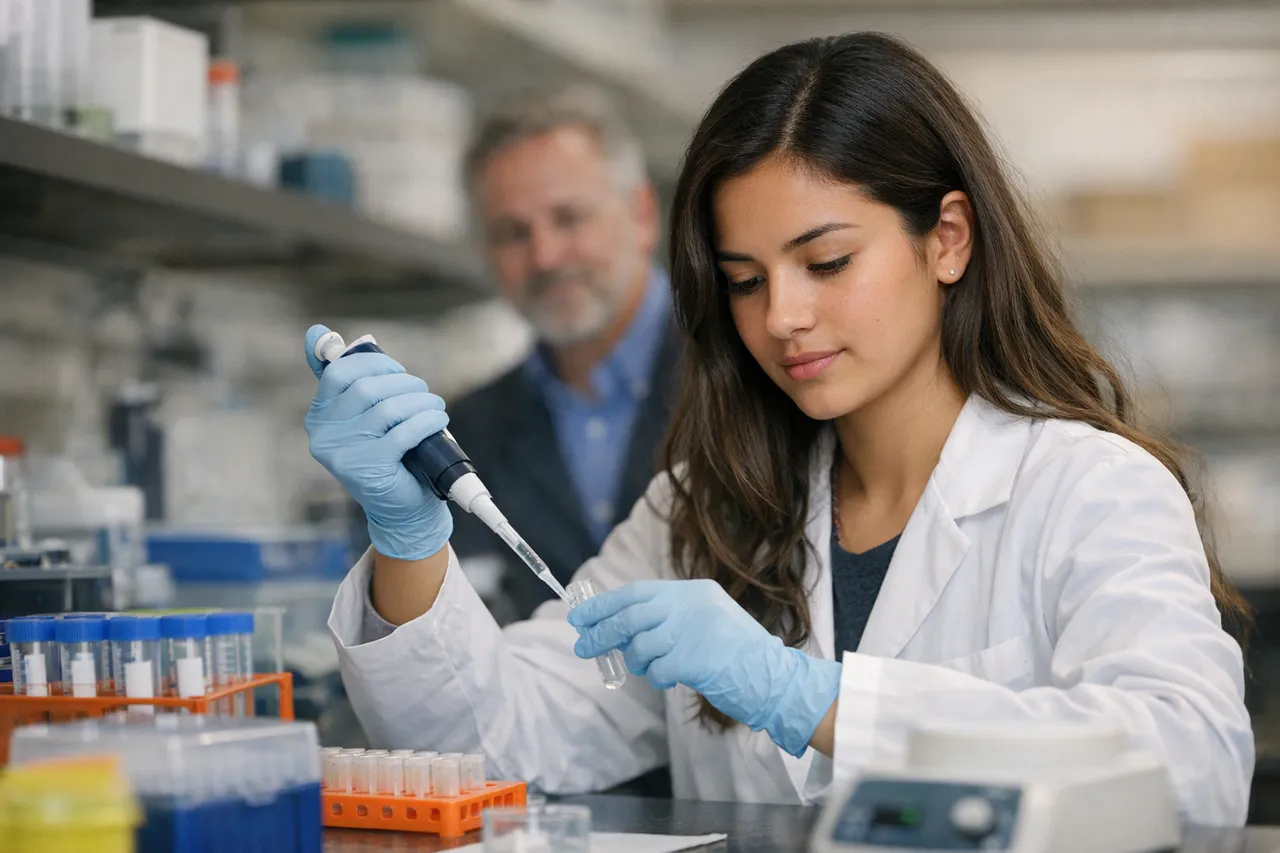
Howard Hughes Medical Institute has opened the 2027 competition for its Cech Fellows Program, giving undergraduates a live, paid option for summer biology and biomedical research. Applications opened on Nov. 10 and are due Dec. 17, 2026. HHMI says it will place up to 200 fellows in labs across the United States for a full-time, nine-week program running from June 14 to Aug. 12, 2027, and that previous research experience is not required. (hhmi.org)
For students and advisers trying to sort summer plans before winter break, the quick answer is that this program is broader than it may first appear, but narrower in subject matter than a generic “summer research” listing. It is specifically for basic biological and biomedical research, not for every discipline. Students are matched with HHMI scientists at universities, research institutes, or HHMI’s Janelia Research Campus in Virginia, and all fellows present their work at an end-of-summer symposium at Janelia, with travel, food, and lodging for that symposium covered by HHMI. (hhmi.org)
Who can apply, and where some students will hit a wall
HHMI says applicants must be rising juniors or seniors who will be enrolled full time at an accredited college or university in the United States or a U.S. territory, be in good academic standing, be at least 18 by May 1, 2027, and be lawfully permitted to participate through Aug. 12, 2027. The program is also open, on paper, to students who do not already have lab experience, which makes it a notable option for undergraduates who came late to research or are still building a science résumé. (hhmi.org)
HHMI is also explicitly courting students outside traditional biology majors. Its FAQ says computer science, engineering, physics, and math majors can apply if they want to work on biomedical research questions, especially in fields such as computational biology, bioengineering, biophysics, and neuroscience. That matters for advisers because the usual first-pass screen — “Is this only for biology majors with prior bench work?” — is not the right one here. (hhmi.org)
The clearest constraint is immigration and onboarding. F-1 and J-1 students can participate only if they secure approval from their campus international office before onboarding, and HHMI says it will not sponsor visas or pay visa-related fees. Students who joined HHMI’s 2026 Cech Fellows Program or 2025 Summer Undergraduate Research Program are also not eligible, because HHMI says this round is meant to expand access to students who have not already had one of those summer placements. (hhmi.org)
What the stipend really means
The headline pay is attractive, but the net value depends heavily on where a student is placed. Fellows at host institutions other than Janelia receive a $15,000 stipend intended to cover travel, housing, meals, and incidentals, and they must arrange their own housing. Fellows placed at Janelia receive a $12,000 stipend plus free on-campus housing. HHMI says students outside Janelia will be matched with a local contact who can suggest housing options, but the housing search is still the student’s responsibility. (hhmi.org)
Spread across nine weeks, that works out to about $1,667 a week at non-Janelia sites and about $1,333 a week at Janelia, with housing included at Janelia. The practical takeaway is that students should compare likely summer living costs, not just the bigger dollar figure. In an expensive housing market, the extra $3,000 outside Janelia could disappear quickly; for a student who can stay cheaply with family or find low-cost summer housing near a host lab, the higher cash stipend may be more valuable. (hhmi.org)
That trade-off is especially important because this is a full-time summer commitment, not a part-time enrichment program. HHMI says fellows are expected to arrive at host institutions by June 14, 2027, participate for the full nine weeks, and then travel to Janelia’s Ashburn campus for the Aug. 10-12 symposium. For many students, the real decision is less about prestige than about whether they can make the housing and travel logistics work without derailing the rest of their summer. (hhmi.org)
Is it worth the application effort?
The program looks substantial enough to justify a serious application. HHMI’s inaugural 2026 Cech cohort included 176 undergraduates from 109 institutions across 36 states and territories, working in 131 HHMI laboratories. This year’s cap of up to 200 fellows suggests modest growth, but it is still a relatively small national program, which means students should not treat it as a casual backup. (hhmi.org)
For advisers, the immediate value is clarity: yes, beginners can apply; yes, quantitative majors are welcome; and yes, the program is paid. But the students most likely to benefit are the ones who can answer two practical questions before they draft essays: whether basic biological or biomedical research is actually their lane, and whether the placement model — especially self-arranged housing outside Janelia — is workable for their budget and immigration status. HHMI says its Cech Fellows FAQ may be updated during the application window, so the next thing worth watching is whether it adds more detail on logistics or application expectations before the Dec. 17 deadline. (hhmi.org)
More from Opportunities

Harvard President’s Innovation Challenge: Dec. 8 deadline, $500K+ in prizes
Harvard student-led ventures can apply for the university’s flagship startup competition if they meet enrollment and funding rules, while idea-stage Student i-lab members have a lower-lift Ingenuity Awards option on the same deadline.

Arizona teachers have until 10 p.m. Sept. 30 for $2,500 classroom grants
Fiesta Sports Foundation’s Wishes for Teachers round will give 500 Arizona public and charter school educators $2,500 each, with winners drawn at random after a brief online application.

2027 Tools Competition opens with $4.5 million for edtech ideas
Teams have until Oct. 13 to submit a short first-round abstract in one of four tracks. Three tracks are open worldwide, while the postsecondary track is limited to U.S. entrants serving U.S. learners.